Category: Employee Medicals

  • Occupational Health Is the Key to A Productive Workforce

    Occupational Health Is the Key to A Productive Workforce

    Sickness in South Africa’s workforce is responsible for losses to our economy totalling billions every year. That said, the costly consequences of much of the illnesses and injuries responsible could actually be avoided. In fact, it was for just this purpose that the Department of Labour introduced the legislation entrenched in the Occupational Health and Safety Act of 1993. Basically, the act requires employers, in close collaboration with their employees, to implement whatever measures may be necessary to create and to maintain a workplace that is safe and which poses no risk to the health of the staff.

    This, however, is a task for which most employers do not have the necessary knowledge and experience, so the government also introduced special training courses to remedy this shortfall. While the training is open to the nation’s employers and their staff, many companies prefer to allocate all or part of the responsibility for matters concerning occupational health and safety to suitably qualified third parties.

    It is the responsibility of companies to provide safe working conditions and for assistance, they will frequently recruit the technical expertise of those trained in the field of industrial hygiene. As the title suggests, their role is a form of cleansing. They locate and evaluate the potential risks associated with workplace hazards and recommend remedial measures. Their effectiveness can be reviewed by government inspectors at any time. In parallel, medical examinations designed for all at-risk workers may be undertaken by doctors, nurses, and other qualified medical professionals with a specialist qualifications in the field of occupational health.

    The content of these medicals varies according to the nature of the job and the potential hazards it may hold. For example, the composition of an examination recommended for an underground worker in the mining industry will differ in its scope from that considered appropriate for an airline pilot. For construction workers, and particularly those required to work at height, the content will differ yet again.

    Work-related illness is not always accompanied by visible symptoms and workers can be unfit to perform their duties while appearing healthy. Often it is only an occupational-health medical examination that will reveal this. Those required to drive vehicles, often for long distances, are a classic example. Statistics in South Africa suggest that a third of all road accidents involve people who drive for a living and, in many cases, they are due to health issues arising directly from the demands of the job. Much the same risks also apply to those who operate heavy construction vehicles and machinery.

    Whether on the open road or the factory floor, the safety of workers and those around them depends as much on their physical ability to perform effectively as on the knowledge and skill required. An occupational-health specialist has undergone the training required to detect what a family doctor might not. Job-related examinations conducted by these specialists may include assessment of musculoskeletal function, spirometry, audiometry, vision and colour-vision tests, blood-pressure measurements, urinalysis, and eve mental-health assessment. 

    In addition, FITMed24, one of South Africa’s leading occupational-health services providers, operates workplace-wellness days that combine health advice with less comprehensive testing, including cholesterol, glucose and vision screening, blood pressure, pulse, and BMI measurement.


  • Stress – Affecting Productivity at Work

    Stress – Affecting Productivity at Work

    Stress – Affecting Productivity at Work. We all experience it at some point. Some more than others, and some more acutely than others. For many people, a certain amount of stress is important in order for them to remain focused and determined to achieve. For others, even small amounts of stress can have a negative impact on their productivity – stress can lead to panic and unstructured working. Mistakes are made so simple tasks take longer to complete. And then, for some, prolonged stress can ultimately cause illness, which often puts an end to anything being achieved at all.

    Whilst individuals have a major role to play in ensuring that they don’t overdo it and let stress get the better of them, it’s not always possible for people to step back sufficiently from stressful situations in order to take stock, become aware of their escalating stress levels, and make the necessary changes. By definition, people who are stressed at work are those who feel they are struggling to manage, for whatever reason. Perhaps they have important work deadlines to meet, or they want to impress a new boss, or fear for their job security so don’t want to admit defeat. These people are the least likely to step back from their work voluntarily, appraise the situation, and take the necessary action (i.e. slowing down and admitting that they can’t manage everything). Staff who are dealing with difficult issues outside of work often have less resilience to cope with problems and challenges at work.

    So, it’s down to managers and employers to step in, where necessary. But many managers and employers question how they can support employees to help them keep on top of their own health and wellbeing whilst they’re busy grappling with the issues that are often most important to them, such as productivity, profitability and remain competitive. But the fact is that if staff are feeling stressed and pressured, they probably aren’t working to the best of their ability, so it’s of no benefit to organisations for staff to be pushed to their limits, and beyond. Customer service and productivity may well drop, and mistakes and discontent may increase – and this certainly isn’t what organisations should be aspiring to.

    Good communication within the workplace is essential to ensure managers recognise and are quick to put measures in place for those who are struggling.

    Call FITMed24 to set up staff medicals to help manage the negative effects of stress. 

  • The Scope of Occupational Health Services

    The Scope of Occupational Health Services

    The role of those responsible for ensuring health and safety in the workplace, now commonly described as industrial hygiene, is to identify potential hazards and to institute measures to ensure that any threat posed to workers is eliminated or kept within acceptable limits. By contrast, the focus of occupational health services is more about establishing the fitness of a worker to perform his or her designated tasks. Not to be confused with proficiency testing, in this case, it is the physical suitability of an employee to undertake a given task that these services are intended to evaluate.

    The conditions under which workers are required to perform can vary quite widely, and part of ensuring their health and safety at work is to make quite certain that they are physically equipped to handle those conditions. For example, should an employer wish to hire staff to work in a food processing plant, the role of an occupational health services specialist would be to examine the prospective employees for any evidence that one of them could be a symptomless carrier of E.coli or some other potential gastrointestinal pathogen.

    In a similar vein, imagine the consequences of hiring a construction worker who, at some stage. is required to work on the upper level of a high-rise building, should that worker fall and become seriously injured or worse. A straightforward mistake due to carelessness would be bad enough, but what if that worker experienced severe vertigo and lost balance? It is precisely to prevent occurrences, such as this, that occupational health services are available to employers. In this case, failure to spot that a prospective employee was a victim of Meniere’s disease could leave an employer exposed to costly legal action. In this respect, these services are as much a source of protection for employers as they are for employees.

    Speaking of industrial compensation claims, one of the greatest benefits available to any employer is to have a record of each employee’s state of health from the point at which he or she joined the company to his or her date of departure, If, for example, a departing employee should claim to have developed noise-induced hearing loss on the job, the records kept by an occupational health services company could prove unequivocally that the claimant’s hearing was no worse than when he or she was first employed.

    Fitness for work will often be taken for granted when an employee returns to work following an injury or a bout of illness. Once again, should this prove untrue, there could be serious consequences. This is yet another example of how occupational health services protect workers and employers across South Africa.

  • Employee Medicals

    Employee Medicals

    What are the Benefits of Employee Medicals? It is a business owner’s moral and legal obligation to provide employees with medical care and monitoring when they work in a potentially dangerous or volatile environment. Employee medicals are essential in many industries, but they can also be disruptive to business productivity if they aren’t properly planned and processed. Hiring a professional on-site medical company can eliminate some of the pitfalls. Below are a few reasons why you shouldn’t skimp on your employee medicals.

    • It’s a life or death situation
      Employee medicals and health monitoring can ensure that issues are picked up early on. This could mean the difference between life and death for your employees, and it can also save you money on future healthcare costs.  
    • A healthy workforce is a present workforce
      Absenteeism can be a serious profit-drainer for a business, especially if temporary staff members have to be brought in to help out. If your staff members are treated early on for potential health issues, absenteeism won’t be a major concern for you. Employee medicals can be carried out on site via a mobile clinic, which means that having tests carried out won’t negatively affect the employee.  
    • Profits will rise
      Healthy employees will be far more productive than those with illnesses or injuries. A sick employee will become increasingly less productive as time passes and their illness develops. If you want to protect your profits and productivity, protect the health and ongoing wellbeing of your employees.  
    • Your workforce will be more satisfied
      Employees who constantly worry about their health status will be distracted and unmotivated. If you want to boost morale and ensure that the workplace is enveloped in a positive atmosphere, provide your workforce with peace of mind. Ongoing medical check-ups will provide staff members with certainty and will in turn boost morale in the workplace. Satisfied employees are generally more dedicated to the company and will be loyal team members.  
    • Leave the management and implementation of health regulations to the pros
      All business owners have a lot on their plates. It will prove difficult to handle all daily tasks, as well as keep up to date with the latest health data affecting your particular industry. Occupational medical service providers make it their duty to keep up to date with the health and safety regulations that affect your industry. With the help of such a company, your business can always be up to date with health data and regulations.

    Sending your employees to see a medical practitioner will be a logistical nightmare. Mobile clinics offering employee medicals are the ultimate solution for both large and small corporations. At FITMed24, we bring the mobile clinic to you. Your employees will not have to stress about the process or spend valuable time and money on getting to and from the doctor/medical team.

    Learning more about what to expect during employee medicals is as simple as getting in touch with us at FITMed24. We encourage you to send us an email or give us a call to discuss your needs and requirements. 

  • The Importance of Occupational Health

    The Importance of Occupational Health

    What is Occupational Health? Anyone who is employed will know that the job can get on top of one at times. However, it may not be the job itself or any lack of knowledge or experience that is the problem, but rather that you simply lack the physical qualities required to perform certain of the tasks required. The science of occupational health (OH) was born as a result of health and safety legislation governing the management of potential hazards in the workplace. While the legislation proposed the introduction of measures to protect workers from such hazards, this invaluable spin-off of the Health and Safety at Work Act is intended to measure the fitness of individuals to perform their various assigned tasks.

    For example, someone with respiratory problems should not be working in an environment where sawdust or cement particles are constantly present in the air, even if provided with a protective mask. Likewise, that same employee could be at risk if consistently required to lift heavy items. Examination by an occupational health specialist can quickly expose such inadequacies and ensure that those affected are allocated tasks that they are physically capable of doing.

    For several years now, this type of examination has been seen as a valuable addition to the conventional selection process. In addition to the usual reference checks, psychometric tests, and face-to-face interview, many prospective employers are now choosing to include a medical examination, more specifically, an examination of the type conducted by an occupational health specialist. These are essentially a means by which to gauge whether a candidate has the level and type of physical fitness seen as necessary to cope with the physical demands of the job rather than merely possessing an appropriate qualification and a glowing reference.

    These procedures are thorough and can be tailored according to the specific needs of the given industry whilst containing elements that remain common to all. Furthermore, the value of this particular type of occupational health service is not confined to recruitment. Anyone who is engaged in a physically demanding task, for a protracted period, carries the risk of an injury or illness that might require time off from work. For these individuals, an OH specialist will be far better qualified to determine whether or not they are fit to return to work than the average GP who will probably have little knowledge regarding the physical demands posed by the patient’s job.

    Despite the importance of these medicals, this is only one of the services provided by occupational health specialists. In addition to being called upon to conduct TB and HIV screening programmes, they also play an important educational role. For example, companies are required by law to ensure that adequate first aid facilities are available to their staff. The kit alone, without the knowledge and experience needed to utilise it, would be of little benefit, and so, these specialists also undertake to provide all of the professional first aid training required.

    In order to gain employment as an occupational health practitioner, the doctors, nurses, and other healthcare professionals who choose this option must undergo a course of specialised training, gain a recognised OH qualification, and be granted official accreditation before they are permitted to dispense their professional services. Chat to FITMed24 about Occupational Health Services for your staff.

  • The Value of Occupational Medicals

    The Value of Occupational Medicals

    Exploring the Value of Occupational Medicals? While most people will only pay a visit to their doctor when they are in pain or feeling unwell, others tend to favour a more pre-emptive approach in which they choose to book a more in-depth physical check-up once or twice a year, a sort of roadworthy test for the body. There is a lot to be said for the latter approach, a fact that is made apparent by the growing tendency among employers to arrange for their staff to undergo occupational medicals.

    These, however, are not the sort of routine examinations typically conducted by a general practitioner. In practice, they may only be carried out by personnel who have undergone the appropriate training and have obtained a recognised qualification in the field of occupational health. Those involved include physicians, nurses, and other healthcare professionals. Often, a small company will rely on a suitably qualified nurse and a part-time doctor to provide its occupational medicals, while larger companies will tend to prefer the support of a specialist organisation to conduct such services.

    In addition to fielding staff with the appropriate qualifications and accreditation, one of the most important requirements for these companies is to have in-depth knowledge and experience of a wide range of industries and the tasks associated with them. Although all of the examinations they perform will have many features in common, certain activities require unique physical qualities that will need to be evaluated. This is precisely why these examinations are known as occupational medicals and why they should only be carried out by those with the relevant knowledge.

    In most cases, these examinations can be carried out on the employer’s premises and should not result in any significant interruption to the normal flow of work. A reputable service provider is certain to have a mobile facility to ensure that the bulk of the tests considered relevant to any given industry can be completed on-site without calling upon its external facilities.

    Among the investigations common to all occupational medicals are blood pressure measurements and a variety of routine blood and urine tests. Where necessary, these will be further supplemented by more specialised examinations, such as X-rays, ECG, spirometry, audiometry, evaluation of vestibular function, and any others that may be seen as directly or indirectly relevant to a given subject’s fitness to perform his or her designated tasks.  

    Occupational medicals are a form of insurance, not just for employees, but also for employers. A healthy workforce is a productive one and, when an employer is seen to show concern for his or her workers’ health, this is a surefire recipe for inspiring loyalty and boosting internal relations, as well as reducing costly staff turnover.

    Need Occupational Medical ? Contact FITMed24 today.

  • Exit Medicals

    Exit Medicals

    Over the years, there has been a growing acceptance on the part of employers within selected sectors of industry, that it may be wise to evaluate the fitness of manual workers before granting them employment. However, the importance of conducting exit medicals at the time that a worker may be leaving their employ, whether voluntarily, or as a result of dismissals, has tended to arouse rather less attention from management.

    Professional Exit Medicals are Important to Both Workers and Management

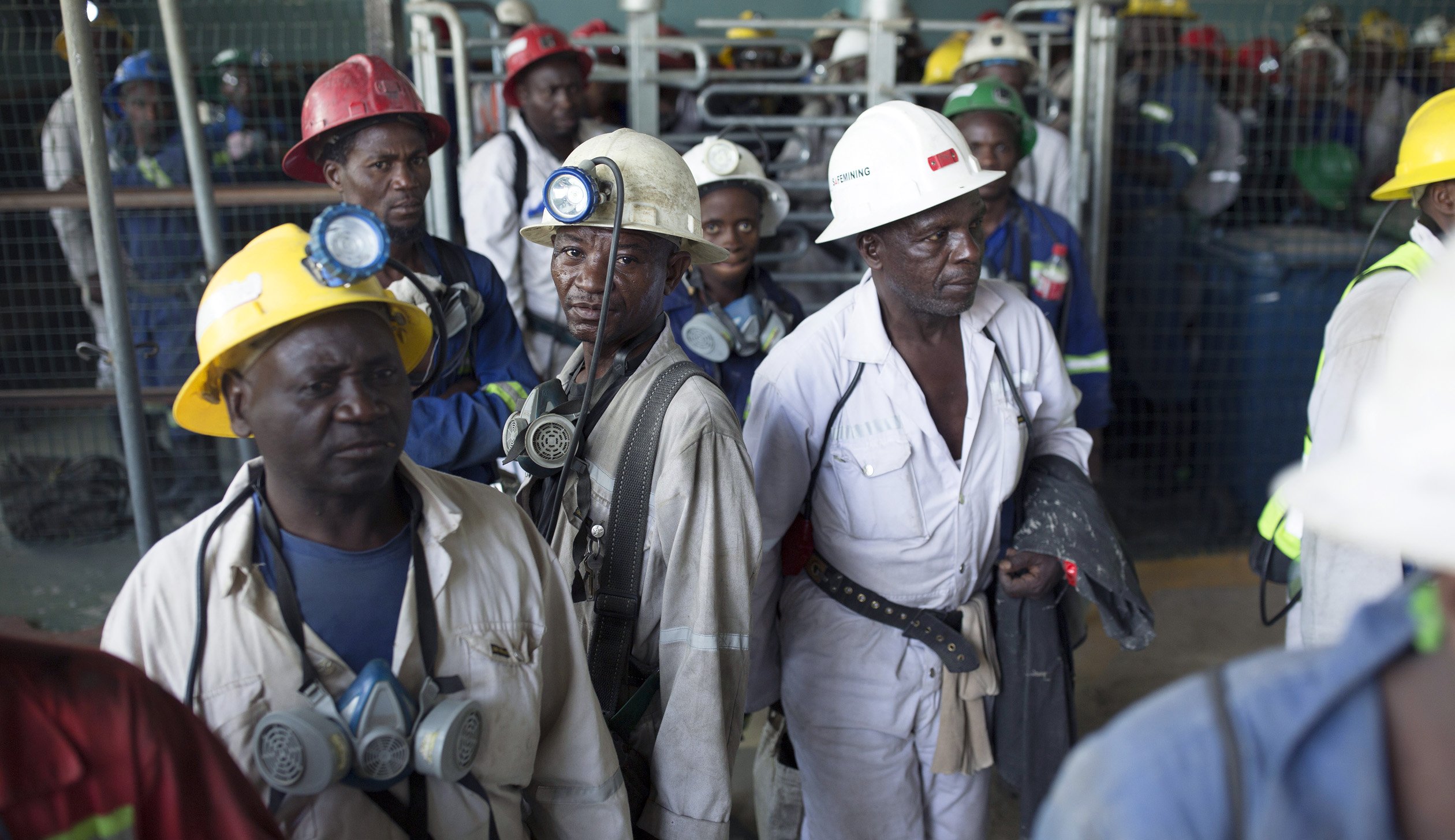
    Much of this apparent indifference was originally due to a lack of legislation, but with the introduction of a compulsory programme of medical surveillance for workers in the mining sector, there is hope for more widespread compliance. Medical surveillance has subsequently been extended to include any workers who are required to operate in conditions of excessive noise, in the presence of high levels of lead or asbestos, or who may be at risk due to exposure to certain chemical substances or biological agents.

    The objective of surveillance is twofold. On the one hand, it is intended as a means with which to monitor and to protect the health of workers who operate in hazardous environments and, on the other hand, to ensure that employers are protected against spurious compensation claims for work-related illnesses. The programme includes pre-employment, periodic and exit medicals. The first medicals determine the fitness of new workers to undertake the tasks required and establish a baseline for future comparisons. Intermediate examinations ensure that the health of each worker is maintained and will detect any early signs of a work-related condition, while the latter establishes the state of the worker’s health at the time of resignation or dismissal.

    Because both the physical demands of the job and the nature of the attendant hazards tend to vary between one workplace and the next, the particular examinations and tests that may be included in these surveillance programmes also vary. They do, however, include a number of standard procedures, such as a full medical examination, the measurement of pulse and blood pressure, and urine screening tests. Over and above these, specific tests such as lung function, audiometry and vision testing, as well as X-rays, ECG and any blood chemistry, haematology or microbiological investigation that may be seen as appropriate.

    Submitting to exit medicals and the other examination is not optional for workers in industries where operating a medical surveillance programme is compulsory. An employer is only required to make this clear and to ensure that each employee understands what he or she can expect during this examination, and how important they are to his or her health. These examinations can, however, only be conducted by registered medical practitioners and nurses who also hold a formal qualification in occupation health.

    While it remains a fact that not all industries are compelled to adopt surveillance programmes, the benefits of maintaining a healthy workforce are prompting a growing number of concerned employers to introduce staff medicals voluntarily. FITMed24 operates a team of certified occupational health professionals providing services to companies both with and without compulsory medical surveillance programmes. We offer our clients a choice between conducting them at our clinic premises or utilising one of our mobile units to conduct them on-site, where this may be more convenient.

  • Occupational Entry Medical

    Occupational Entry Medical

    Why should you be doing Entry Medicals in the workplace? If you operate a business in a potentially hazardous industry, the health and safety of your employees should be at the forefront of your mind. Unfortunately, in such industries, situations can arise where employees are exposed to risk, and even if your business has mechanisms in place to minimise these risks, it’s best to ensure that the health of every employee is closely monitored.
    Such medical monitoring shouldn’t only begin once you have hired a new employee. It should start prior to employment. This means that you will know the medical condition of your employees before they are exposed to your business’s working environment.
    Why is this important? For starters, entry medicals can help you to determine if an individual is physically fit and healthy enough to perform the required duties and enjoy long-term employment in your specific industry. Knowing this will help you to make a decision that is right for you and the potential employee. The medical reports will also provide a good basis to continue monitoring. For instance, if an employee has a certain medical condition at the time of employment and it gets worse due to the exposure to risks, action can be taken promptly. A staff complement that’s kept healthy is bound to be one that’s productive.
    Book your Occupational Entry Medical today with FITMed24
    Medicals cannot be carried out by other staff members or those who have no qualification in the occupational health and safety field. It is important for your entry medicals to be handled by a qualified and registered occupational health and safety practitioner. This ensures that the tests are carried out according to regulation and that they are thorough. The results of the medicals can also be discussed and explained so that there is no confusion at any point along the way. When an employee leaves the company, an exit medical is carried out and the results can be compared to those from the entry medical.
    If you want to ensure that both you and your employees are protected, it’s important to be meticulous about carrying out company medicals. At FITMed24, we currently offer entry medicals and exit medicals starting from just R490. For your convenience and for cost-saving purposes, we come to you. All of our employees are experienced healthcare practitioners who will treat your medical testing and results with the utmost professionalism and discretion.
    We recommend that you discuss your business needs and requirements with our team. To book entry medicals or exit medicals with us, simply give us a call or send us an email today.

  • What does an occupational medical include?

    What does an occupational medical include?

    Depending on the type of industry you work in and depending on your company’s health surveillance program a medical can become quite complex.  Example: It could be a simple medical for a labourer on a construction site conducting general who is not exposed to any hazardous substances.

    To a general construction worker required to work with hazardous substances which could require blood, urine and X-ray type screening for exposure of these hazardous substances. Medicals should be performed according to the specific job function the employee is undertaking. 

    The medical should include an Audio test, Vision test and Spiro test (Lung function) and a full physical examination of the employee which includes a urine screen, Blood pressure and pulse rate.

    However, testing can be more accurately done according to a medical surveillance program implemented by an Occupational Technologist, Hygienist or a Health and Safety Practitioner.

  • Annexure 3 Document

    Annexure 3 Document

    As per the new construction regulation, it is mandatory that all construction companies conduct medical screening for their workers. Companies must complete this form before sending employees for medicals. All information should be filled in accurately, as it enables the medical practitioner to determine the correct course of screening for each employee.

    Please contact us if you require any further information regarding the construction regulations.