A safe workplace starts with proper health and safety training courses that prepare employees for real risks. Businesses regularly search for workplace safety training, OHS training, and compliance courses to protect their teams and meet legal standards.
Understanding Why Health & Safety Training is Critical in the workplace helps organisations prioritise the right training for their environment.
Key Workplace Safety Courses:
First Aid Training:
First Aid training teaches employees to respond quickly to medical emergencies. Common searches include first aid, first aid class, CPR, and emergency first aid.
Basic Firefighting Training:
Firefighting training equips employees with the skills to handle fire risks and use extinguishers safely. Short keywords include fire safety, fire course, fire drill training, and extinguisher course.
Working at Heights Training:
Falls are a major workplace hazard, which is why searches like height safety, heights course, fall arrest, and ladder safety training are common. Working at heights training helps prevent serious injuries.
SHE Representative Training:
Companies search for SHE training, safety rep course, and OHS rep training to ensure proper safety leadership and compliance in the workplace.
Risk Assessment & Hazard Training:
Searches such as risk course, hazard course, safety risk training, and HIRA course show strong demand for practical risk management skills.
Why Businesses Invest in Safety Training:
Providing structured health and safety training improves compliance, reduces incidents, and builds a strong safety mindset. Organisations often search for OHS training, safety training, compliance course, safety certificate, and workplace safety course when improving their safety standards.
Building a Safety Culture:
Ongoing refresher training, toolbox talks, and regular safety updates help reinforce safe practices. Continuous learning keeps safety top of mind and supports compliance.
Final Thoughts:
From First Aid training and Firefighting training to Working at heights training, SHE Representative training, and risk assessment training, these programmes help organisations protect their people and operations. Recognising Why Health & Safety Training is Critical in the workplace empowers businesses to build safer, stronger workplaces.
In today’s competitive business landscape, many companies view employee medicals as a necessary expense a grudge buy. However, this perception is changing as more organizations recognize the significant benefits of investing in occupational health programs. At Fitmed24, we believe that employee medicals should be seen as a strategic investment rather than a burden. Let’s explore why this shift is essential and highlight a compelling case study that demonstrates the tangible benefits of prioritizing employee health.
The Importance of Employee Medicals
Employee medicals are not just about compliance; they are crucial for maintaining a healthy workforce. Regular health assessments help identify potential health issues before they escalate, leading to:
Reduced absenteeism: Healthier employees take fewer sick days.
Increased productivity: When employees feel well, they perform better.
Reduced staff turnover: leading to a more stable workforce and lower recruitment.
Case Study: International Food Manufacturing Company Gauteng.
Staff Compliment: 375 employees
Background: Our client specializing in the manufacturing of high-quality baked goods, including bread, pastries, and snack items with over 350 employees faced high staff turnoverrates and frequent absenteeism due to workplace conditions.
In addition to physical health challenges, a significant number of employees have been struggling with mental health issues and chronic conditions that the employer had not fully understood or addressed. The lack of awareness and support for these conditions created an environment where employees felt isolated and unsupported, further exacerbating their struggles.
Solution
In response to the challenges faced by our client Fitmed24 implemented a holistic health program designed to address both the physical and mental health needs of employees. This multi-faceted approach aimed to create a supportive environment that fostered overall well-being and enhanced productivity.
Step 1: Yearly Employee Medicals
Fitmed24 initiated an annual employee medical assessment program to establish a comprehensive health benchmark for each employee and the organization as a whole. These assessments helped identify potential health issues early on, allowing for timely intervention and personalized health plans. By tracking health metrics over time, our customer ensured that employees received the necessary support to maintain their well-being.
Step 2: Bi-Monthly Nurse Visits
To provide ongoing support for employees with chronic conditions and general health concerns, Fitmed24 arranged for a registered nurse to visit the customers employees twice a month. This nurse served as a wellness resource for employees, offering monitoring and management for chronic diseases and addressing any ailments that may arise. This accessibility encourages employees to seek help promptly, reducing the risk of prolonged health issues and absenteeism.
Step 3: Access to Registered Counsellors
Understanding the importance of mental health and its impact in the workplace, Fitmed24 also introduced access to a registered counsellor for employees facing personal challenges. Whether dealing with the loss of a loved one, traumatic experiences, or financial stress, employees could confidentially seek support from a professional. This initiative not only helped individuals cope with their struggles but also fostered a culture of openness and support within the workplace.
Takeaway from our Customer Case Study
Health Issue Detection: The program successfully identified 27 health issues among employees, including 3 severe cases that required immediate attention. This proactive approach underscores the value of regular health assessments in maintaining employee well-being.
Noise Reduction Initiatives: To address environmental challenges, our customer implemented two basic engineering systems aimed at reducing noise levels in the workplace. This not only enhanced the working conditions but also contributed to overall employee comfort and productivity.
Chronic Illness Management: The establishment of a chronic illness management system, coupled with regular monitoring of employees, ensures that health concerns are managed effectively. This ongoing support is vital for maintaining a healthy workforce and minimizing absenteeism.
Conclusion
By implementing this comprehensive health program, Fitmed24 helped our customer create a healthier, more resilient workforce. Addressing both physical and mental health needs demonstrated a commitment to employee well-being, ultimately leading to improved morale, reduced absenteeism, and enhanced productivity. With ongoing support and resources in place, our customer is poised to transform its workplace culture and promote a thriving environment for all employees.
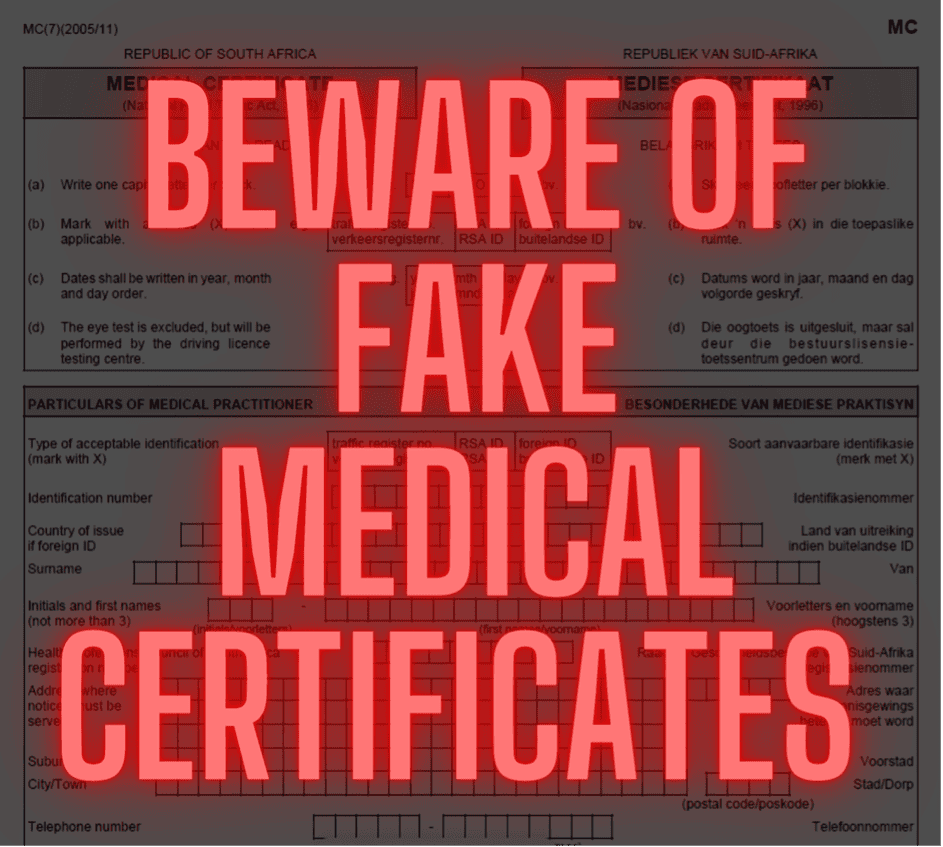
In today’s competitive business environment, ensuring workplace safety and compliance is paramount. However, a disturbing trend has emerged where companies fall victim to fraudulent practices involving fake occupational medical certificates. These certificates, purportedly issued by reputable medical providers, often lack authenticity and pose significant risks to workplace safety and regulatory compliance.
The Rise of Fraudulent Practices
Fraudulent issuance of occupational medical certificates has become a growing concern across industries. These certificates are typically used by individuals seeking employment or access to job sites where health and safety regulations are stringent. Unfortunately, unscrupulous entities exploit this demand by fabricating certificates that appear legitimate at first glance.
The Consequences of Fake Certificates
The repercussions of accepting fake occupational medical certificates can be severe. Employers unknowingly expose themselves to risks such as:
Compromised Safety Standards: Employees with fabricated medical clearances may not meet necessary health requirements, jeopardizing workplace safety.
Legal and Regulatory Penalties: Non-compliance with health and safety regulations can result in fines, litigation, and reputational damage.
Operational Disruption: Hiring unqualified individuals can lead to increased accidents, absenteeism, and productivity losses.
The Importance of Verification
To mitigate these risks, companies must adopt rigorous verification processes for all medical documents submitted by employees and contractors. Verification ensures that certificates are authentic and issued by legitimate medical providers. This crucial step safeguards workplace integrity and upholds regulatory standards.
In South Africa, it is a criminal offense to fake or an occupational medical certificate. Fabricating or falsifying any medical document, including occupational medical certificates, constitutes fraud and can lead to legal consequences under South African law.
Such offenses may be prosecuted under various statutes, including those related to fraud, forgery, and misrepresentation. Penalties for such actions can include fines, imprisonment, or both, depending on the severity and circumstances of the offense. Therefore, it is crucial for employers and individuals to adhere to legal and ethical standards regarding the authenticity of medical documents to avoid legal repercussions.
Introducing FitMed24: Setting the Standard in Certificate Security
FitMed24 stands at the forefront of combating certificate fraud with advanced security features embedded in their occupational medical certificates. These features include:
QR Codes: Each certificate is equipped with a unique QR code that links to a secure online verification portal.
Authentication Safeguards: Multiple layers of authentication ensure the validity of the certificate and the issuing authority.
Real-Time Verification: Employers can instantly verify the authenticity of certificates through FitMed24’s customer portal, enhancing efficiency and accuracy.
Conclusion
In conclusion, the prevalence of fake occupational medical certificates poses significant risks to businesses and their employees. By prioritizing rigorous document verification and partnering with trusted providers like FitMed24, companies can safeguard workplace safety, uphold regulatory compliance, and protect their reputations. Embracing secure, authenticated certificates not only mitigates fraud but also fosters a culture of accountability and trust within the workforce.
Stay informed. Stay secure. Choose authenticity with FitMed24
Understanding the Crucial Need for Driver Medicals: A Comprehensive Guide
In today’s bustling world, where the roads are packed with vehicles of all shapes and sizes, ensuring driver safety is paramount. One often overlooked aspect of driver safety is their health. It’s not just about following traffic rules; it’s also about ensuring that drivers are physically and mentally fit to operate vehicles safely. This is where driver medicals come into play – a critical component in safeguarding both drivers and other road users. Let’s delve into why drivers need medicals and how they contribute to a safer driving environment.
Exploring the Vital Connection Between Driver Health and Safety
The correlation between driver health and road safety cannot be overstated. A driver’s physical and mental well-being directly influences their ability to react swiftly and make sound decisions while behind the wheel. Health conditions such as cardiovascular issues, epilepsy, diabetes, and vision problems can impair a driver’s capabilities and increase the risk of accidents on the road. Furthermore, fatigue and stress, which are common in today’s fast-paced lifestyle, can significantly impact driving performance, leading to hazardous situations.
Understanding the Significance of Driver Occupational Health Assessments
Occupational health assessments, including driver medicals, play a crucial role in identifying any health issues that might compromise a driver’s ability to operate a vehicle safely. These assessments involve thorough evaluations of a driver’s physical and mental health, including vision and hearing tests, cardiovascular screenings, and assessments for conditions like sleep apnea. By identifying potential health concerns early on, employers can take necessary measures to address them and ensure that their drivers are fit for duty.
Ensuring Compliance with South African Legislation for Driver Health
In South Africa, the law mandates that drivers undergo regular medical assessments to maintain their licenses. The Road Traffic Management Corporation (RTMC) sets out guidelines for these assessments, ensuring that drivers meet specific health standards to operate vehicles safely. Failure to comply with these regulations can result in fines, license suspension, or even legal action in the event of an accident. Therefore, undergoing regular driver medicals is not just a matter of safety but also a legal requirement that drivers must adhere to.
Promoting Road Safety Through Preventive Measures
Driver medicals aren’t just about identifying existing health issues – they’re also about preventing potential risks on the road. By proactively assessing drivers’ health, employers can implement preventive measures to mitigate the likelihood of accidents. This might include providing health and wellness programs, offering support for managing stress and fatigue, and implementing policies that promote healthy lifestyles among drivers. Ultimately, these measures contribute to creating a safer driving environment for everyone on the road.
In conclusion, driver medicals are a critical component of road safety, linking driver health directly to the prevention of accidents and the protection of lives. By prioritizing regular medical assessments, employers can ensure that their drivers are physically and mentally fit to handle the responsibilities of operating vehicles safely. Moreover, compliance with South African legislation regarding driver medicals is not just a legal obligation but a moral imperative to safeguard the well-being of all road users. Let’s continue to prioritize driver health and safety to create a safer and more sustainable future on our roads.
Serving Industry’s Occupational Health Requirements Through On-Site Medicals
Despite being one of the most technologically advanced societies on the African content, it is only in relatively recent times that South Africa has begun to demonstrate any serious concerns about the health and safety of its citizens in their various places of work. Although there remains much to be done, there have been two significant advances that are now helping to address this previously neglected need.
In June 1993, parliament enacted the Occupational Health and Safety Act compiled by the Department of Labour. The act defined the guidelines for the protection of workers from the hazards presented by their working environment. It also exposed the need for specially trained practitioners and a registered qualification for doctors and nurses. Given the overburdened state of public healthcare, the responsibility for conducting on-site inspections and employee medicals falls to the private sector and must be paid for by the employer.
While contributing to the medical aid premiums of employees and their dependents has become an accepted practice for most, many companies are only prepared to finance those measures that they deem as important to their profitability. In practice, however, what such companies fail to realise is that the compensation payment arising from a single avoidable accident or a debilitating work-related illness could exceed the modest cost of financing such services by several orders of magnitude. Just imagine the cost of a dozen or so injured or ill as a result of inadequate health and safety measures.
Of those who fail to seek such help, reluctance is often due to concerns that mass staff absenteeism while staff members undergo examinations could disrupt production. To allay such concerns and to eliminate the need for staff to travel long distances to a clinic, FITMed24, our Kempton Park-based company specialising in occupational health matters, now offers the option of conducting employee medicals on site.
With the aid of a fleet of mobile clinics, we are able to dispatch a team of registered OHS specialists to destinations in most of the country’s nine provinces. The objective is to meet the needs of large groups operating at high-production facilities. At each visit, selected employees are subjected to standard examinations, including BMI, blood pressure, lung function, vision and hearing tests. In addition, other tests, such as an electrocardiogram (ECG), are offered on request, along with any others that may be indicated for workers in specific occupations, such as mining, construction, aviation and food handling.
For those companies whose personnel are required to work in hazardous environments and whose employers operate a health surveillance programme, we conduct our on-site medicals according to the protocols defined. In less hazardous circumstances, however, the mobile teams will be happy to provide clients with a more generic programme of testing.
In today’s competitive global market, more employers are becoming aware that their employees are not simply expense items, but a human capital resources with the potential to ensure a company’s success. Underlining this realisation, there has been a marked increase in the number of employers that now accept the need for more stringent measures to monitor and protect the health of their workers. Don’t risk the costly consequences of a spate of work-related illnesses. Talk to us at FITMed24 about our affordable on-site medicals.
While there was a time when the health and safety of an employee was largely their own responsibility, that is no longer the case. An act introduced in 1993 and applicable industry-wide was intended by the South African government as a means to prevent work-related illnesses and injuries. In effect, the act placed the onus upon employers to provide and maintain a workplace that, as far as possible, is safe and poses no risk to the health of their workers. In parallel, the training of specialists in occupational-health services was intended to provide the experts required to judge and monitor their success.
In fact, the process is a two-part one and begins with identifying workplace hazards, evaluating their potential risk, identifying who is at risk, and implementing preventative measures. Often referred to as industrial-hygiene specialists, those responsible undertake technical tasks and differ from those qualified to provide occupational-health services. In practice, the responsibility of the latter group is to investigate the health of a company’s workers rather than the quality of the environment in which they are required to work.
The core role of these specialists is to conduct medical examinations of a company’s employees. For the outcome of these medicals to have legal standing, the doctors, nurses, and other qualified healthcare professionals who conduct them must have undergone additional specialised training and gained a recognised qualification in the field of occupational health required to offer the necessary services.
These examinations have one of four possible goals. The purpose of some is to check for any possible ill-effects that could be attributed to conditions in the workplace. In other cases, the purpose can be to determine whether the health and physical abilities of a prospective employee are compatible with the demands of the tasks they will be required to perform as defined in their job description. Similar criteria are applied to medicals for employees wishing to return to work after an illness or injury. Finally, in the event that an employee should claim industrial compensation, success or failure could hinge on the findings of an occupational health services professional. Given the incidence of fraudulent claims, it is in the interest of employers as well as their staff to pursue this form of medical assistance.
Playing a prominent role in this important field, FITMed24 conducts a comprehensive range of workplace medicals on behalf of employers and workers in South Africa. Though offered nationwide and largely conducted on site by teams operating from a mobile facility, the various medicals that form part of FITMed24’s occupational-health services are also offered at one of its well-equipped clinics.
The Nature and Purpose of Occupational Health Medicals
For an employer, the certainty that his or her employees are sufficiently fit to handle the tasks for which they will be responsible is of paramount importance. In addition, it can be equally important to know that their employees have not been adversely affected by any risk that may exist in the workplace. By conducting occupational health medicals on a regular basis, the employer has an effective means to achieve both of these goals.
These assessments combine a physical examination with a variety of tests, but their results will not be deemed legally valid, in the event of possible litigation, unless they are conducted by a registered physician qualified in this specialised field. A certificate issued by an employee’s general practitioner would not suffice in such cases.
There is no fixed time at which it might be best to conduct occupational health medicals, and it is left largely to the employer to determine when this type of action may be advisable. For example, an employee’s attendance record might be good, but his or her performance might appear less proficient than usual. This could be an appropriate time to arrange an examination. Also, in the case of a prolonged absence from work or of regular short-term absences, referring the employee for an independent assessment might be advisable.
Sometimes, particularly for someone in a physically demanding role, when an employee returns to work after taking sick leave, it might be a sensible precaution to arrange an occupational health medical. Other indications include monitoring employees who work under hazardous conditions, such as miners and spray painters who may be at risk of respiratory disease. In such cases, conducting an examination on entry, at regular intervals, and on exit is recommended as a means to both safeguard employees and limit an employer’s risk of industrial compensation claims.
The purpose of these examinations is essentially that of a screening exercise and not one involving diagnosis and treatment, although a physician who conducts occupational health medicals may advise employees to contact their own doctors if deemed necessary. So, what does this type of examination normally entail?
To some degree, this depends on the nature of the work and the workplace, but will normally include a physical examination, sight and hearing checks, chest X-ray, and the analysis of blood, urine, and sputum samples, but it could also include breath sampling and tissue examination where appropriate. For those who work in certain industries, such as construction, food and beverages, and mining, as well as for those who work at height, FITMed24 undertakes to extend the content of their occupational health medicals in order to include whatever specific checks may be considered necessary.
Companies that implement regular occupational medicals enjoy a better work environment overall than those that don’t. Occupational medicals are a legislative requirement, but more than that, they drastically improve the health and safety of staff members. For companies where the staff complement is large, mobile occupational medicals are beneficial, as the required health care is brought directly to the business.
When you have the option of taking staff members to the local occupational clinic or hiring a mobile clinic to provide services at your premises, we recommend opting for the mobile clinic for various reasons. Here are just a few reasons why your business should make use of mobile occupational medicals:
• Be Compliant with the Law
The SA Occupational Health and Safety Act demands that all businesses working with hazardous materials or where physical danger is present carry out medical surveillance and ongoing medical testing. It is the responsibility of the employer to ensure that the working environment does not cause the employees’ health to deteriorate. A mobile occupational medical means that you can stay compliant without having to disrupt your daily operations.
• Prove Your Loyalty to Your Staff
Just as it is important to you to have loyal staff members, you need to show your staff members that you are loyal to them and value them. Organising regular mobile occupational medicals ensures that staff members feel appreciated and taken care of. They are also more likely to be more productive when they feel this way. It’s a win-win situation.
• Put an End to Out-of-Control Absenteeism
Recurring health problems can be caught early on and treated when regular occupational medicals are carried out. Healthy staff members have no need to be absent from work.
• Save Time and Money
To transport groups of staff members to the local clinic will be expensive and also greatly affect the business’s productivity. Mobile occupational medicals help companies stay operational while staff members get their medical assessments done. This saves both time and money.
• Provide Your Staff Members with Comfort
While occupational medicals aren’t particularly invasive, some employees might feel anxious or nervous about them. By providing mobile occupational medicals, your staff members can feel more at ease having the medicals carried out in a space that they are familiar and comfortable with.
At FITMed24, we provide mobile occupational medicals as part of our service offering. To save you time and money, we will come to you. We treat each staff member with warmth and professionalism, and the results of the tests are handled with the utmost discretion. All of our team members are qualified and experienced healthcare practitioners or have worked in the field. You can expect testing to be meticulously carried out and for our staff members to be familiar with the processes involved, thus putting your staff members at ease.
Both Employers and Employees Reap the Benefits of Work Medicals
Under the terms of the Occupational Health and Safety Act, employers in South Africa are obliged to take whatever steps may be necessary to protect their staff from any hazards in the workplace that might present a potential risk. While much of their effort must obviously focus on the detection, evaluation, and mitigation of such hazards, the benefits of conducting work medicals should never be underestimated and, ideally, these should form a basic part of a company’s health and safety programme.
Like the initial risk assessment, the examination of workers must be performed by personnel with an appropriate qualification in occupational health, in this case, either a medical doctor or a suitably qualified nurse. In addition to their standard professional training, they will have been given the specialist knowledge necessary for this specific type of activity. For example, doctors who undertake to provide companies with the benefits of work medicals will need to be familiar with the workplace surveillance requirements of different industries, such as construction, petroleum and gas, and mining, while nurses must be able to perform hearing, vision, and lung function tests.
Conducting checks for hazards in the working environment is required under the Department of Labour’s health and safety regulations while monitoring employees’ health is optional. In practice, however, for both employers and employees, there are a number of valuable benefits of introducing work medicals. The fundamental aim of these is to ensure the health of those people upon whom the company depends for its operation and a profitable income. A fit workforce is one of the best ways in which to ensure a company remains as productive as possible. Staff attitudes are also important and, because providing this service is purely voluntary, it can also be seen as an act of caring on the part of management and, as such, it can help to promote loyalty and greater enthusiasm for the job by a happy workforce.
There are also benefits of work medicals when they form part of the employment process. The results can ensure that a candidate is physically suited to the job, and has the right qualifications and experience. An employer, for example, would not want a typhoid carrier working in a restaurant kitchen or to employ someone with Ménière’s disease to work on a high-rise construction site.
For those in high-risk occupations, one of the more important benefits of work medicals is that they serve as a screening option to help prevent disabling illnesses, as these could very well result in costly claims for industrial compensation. Including regular hearing tests in the programme, for example, could prevent claims for noise-induced hearing loss.
Each year, the South African economy is robbed of billions as a result of absenteeism in the workplace. While a small proportion of those absent may simply be opportunists claiming a day or two off, the majority are either sick or injured. Unfortunately, there are still too many cases in which the origin of those illnesses or injuries can be traced to the workplace itself. It is the latter concern that is now prompting many employers to arrange for occupational medicals.
The workplace environment can often present health hazards, so legislation requires employers to take steps to identify them. Where a particular hazard is considered to pose a potential threat to the health or safety of their employees, they are legally bound to implement whatever measures may be necessary to protect them. To test the impact of such measures, while monitoring of hazard levels is important, only by conducting relevant occupational medicals in parallel can one be certain that countermeasures taken are sufficiently effective.
While fluctuating market demands, competitor’s strategies, and fluctuations in exchange rates can all have a negative impact on the performance of a business, absenteeism is at least as damaging, if not more. That said, unlike the other factors, it is one that can be controlled. The simple precaution of determining whether or not an employee’s health might be threatened by the job they are required to perform could make a huge difference to a company’s productivity. Occupational medicals could spell the difference between paying a staff member for doing their job and paying for non-productive sick leave and possibly even for a temporary replacement. So, what do these examinations consist of?
The clue is in the name. As part of an ongoing monitoring programme, these examinations focus on any relevant physical manifestations that might be the result of a worker’s occupation. The content of these examinations must, therefore, relate directly to the nature of the job. So, for example, in the case of miners and others who work in a dust-filled atmosphere, tests of respiratory function will feature prominently in occupational medicals. Similarly, workers who are regularly exposed to extreme levels of ambient noise might be given an audiological examination.
The same criteria can also be applied as part of the recruitment process. As well as possessing the appropriate experience and qualifications, where relevant, it is reassuring to know that a candidate is physically suited to their proposed duties. Accordingly, there are specialised occupational medicals for those in the food-and-beverage industry, construction workers, and drivers of heavy vehicles, as well as screening for general wellness in the workplace.