Blog

  • The Reason Behind Occupational Health Medicals

    The Reason Behind Occupational Health Medicals

    The Nature and Purpose of Occupational Health Medicals

    For an employer, the certainty that his or her employees are sufficiently fit to handle the tasks for which they will be responsible is of paramount importance. In addition, it can be equally important to know that their employees have not been adversely affected by any risk that may exist in the workplace. By conducting occupational health medicals on a regular basis, the employer has an effective means to achieve both of these goals.

    These assessments combine a physical examination with a variety of tests, but their results will not be deemed legally valid, in the event of possible litigation, unless they are conducted by a registered physician qualified in this specialised field. A certificate issued by an employee’s general practitioner would not suffice in such cases.

    There is no fixed time at which it might be best to conduct occupational health medicals, and it is left largely to the employer to determine when this type of action may be advisable. For example, an employee’s attendance record might be good, but his or her performance might appear less proficient than usual. This could be an appropriate time to arrange an examination. Also, in the case of a prolonged absence from work or of regular short-term absences, referring the employee for an independent assessment might be advisable.

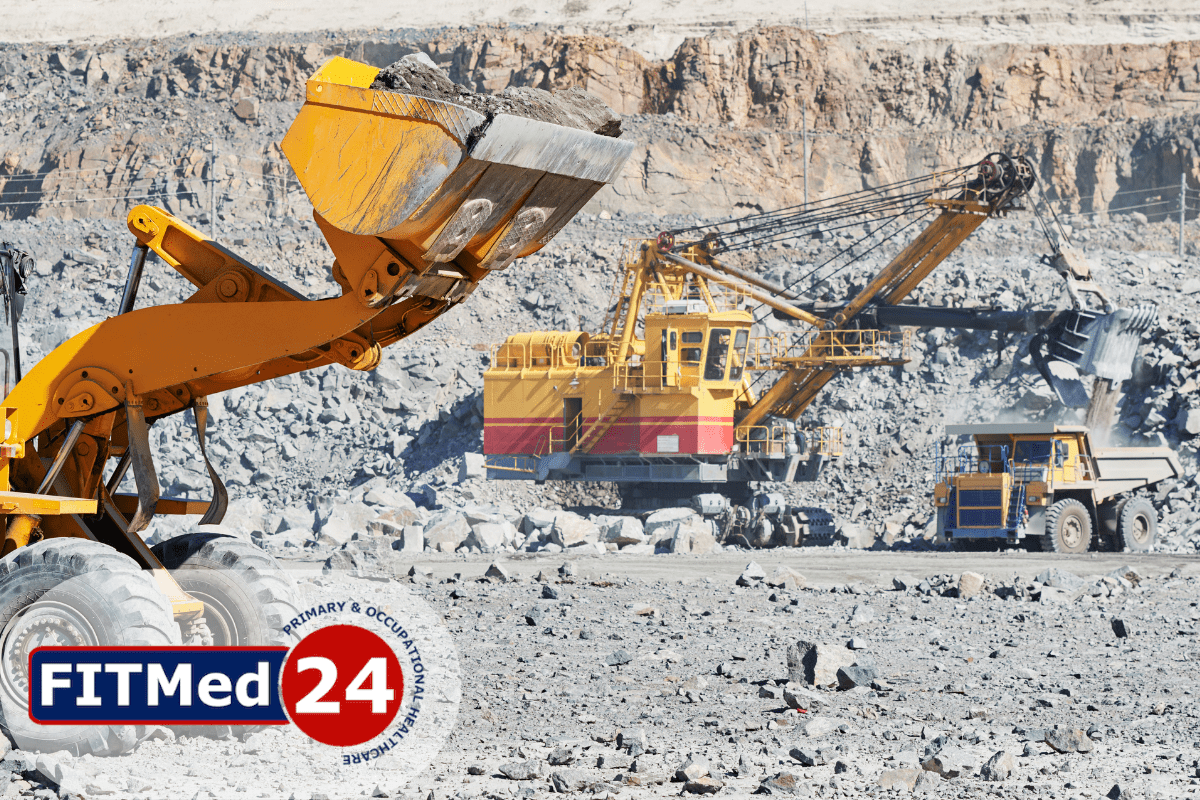
    Sometimes, particularly for someone in a physically demanding role, when an employee returns to work after taking sick leave, it might be a sensible precaution to arrange an occupational health medical. Other indications include monitoring employees who work under hazardous conditions, such as miners and spray painters who may be at risk of respiratory disease. In such cases, conducting an examination on entry, at regular intervals, and on exit is recommended as a means to both safeguard employees and limit an employer’s risk of industrial compensation claims.

    The purpose of these examinations is essentially that of a screening exercise and not one involving diagnosis and treatment, although a physician who conducts occupational health medicals may advise employees to contact their own doctors if deemed necessary. So, what does this type of examination normally entail?

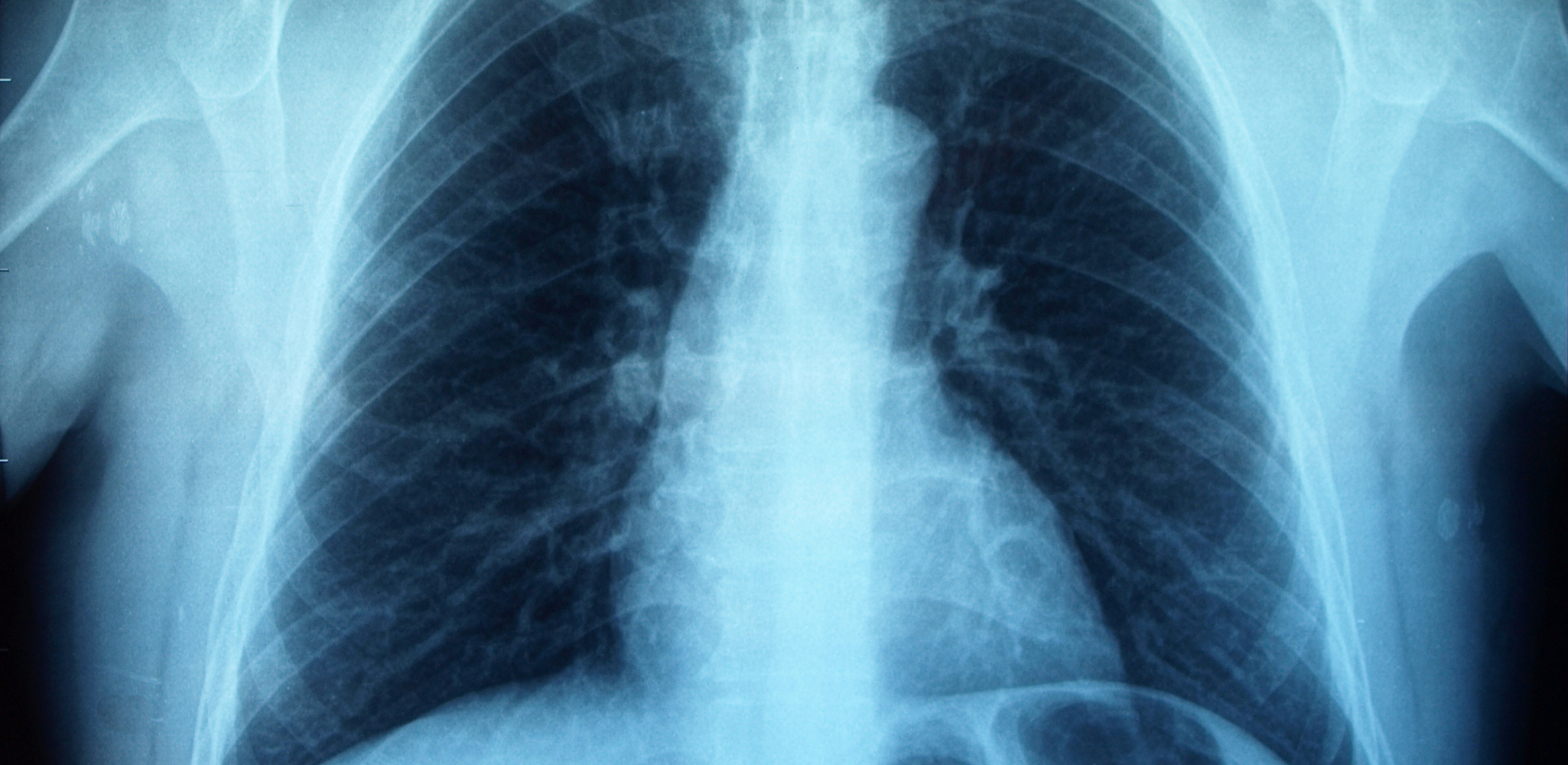
    To some degree, this depends on the nature of the work and the workplace, but will normally include a physical examination, sight and hearing checks, chest X-ray, and the analysis of blood, urine, and sputum samples, but it could also include breath sampling and tissue examination where appropriate. For those who work in certain industries, such as construction, food and beverages, and mining, as well as for those who work at height, FITMed24 undertakes to extend the content of their occupational health medicals in order to include whatever specific checks may be considered necessary.
  • Food Handler Medicals

    Food Handler Medicals

    Understanding the Need for Medicals for Food Handlers

    Running a business in the food handling industry comes with its risks and challenges. If you work with food, you need to be compliant with South African legislation and this requires some effort. Of course, the requirement for medicals to be carried out is understood. Food is an ideal medium for the spread of illness and disease. By definition, food handlers are people who handle food that they aren’t personally going to consume. This means that the food they come into contact with will be consumed by others. Food handlers thus work in various environments, such as food manufacturing, processing, packaging, preparation, and potentially even serving.

    Any employees that work with food must undergo thorough, regular medicals in order for your business to be considered compliant. If an employee is sick, they will not be allowed to handle food or certain precautions must be taken. These medicals are essential to ensure that those handling food aren’t potential carriers of dangerous pathogens which could cause the spread of diseases. The Occupational Health and Safety Act in South Africa demands that all food service employees undergo these tests each year. 

    How Do the Medicals for Food Handlers Work? Is it a Once-Off?

    Food handler medicals, must be carried out before employment commences. Thereafter, the employee must agree to regular, ongoing testing during the employment term. When employment is terminated or the worker wishes to leave, a final medical examination must be carried out.

    What to Expect

    Not all medicals for food handlers are identical, but most follow a similar pattern. The test can include a health questionnaire, as well as urine tests, blood tests, blood pressure tests, vision tests, and lung function tests. X-rays and drug tests may also be carried out. For groups of employees to be tested at the same time, the medical team can visit your premises.

    The medicals carried out can serve as a great way to monitor the health of all employees continuously. If an employee’s health becomes compromised while working for the company, the cause can be better ascertained by using the collected data from ongoing tests.

    Book Food Handler Medicals with FITMed24

    At FITMed24, it is our aim to ensure that our customers receive thorough food handler medical tests and that the results captured are accurate and helpful to the business. We will do what is required to ensure that your business meets the regulations in place and is compliant with legislation.

    To learn more about medicals for food handlers and to book these with a professional, affordable team, contact us via email or telephone at FITMed24 today.

  • Mobile Occupational Medicals

    Mobile Occupational Medicals

    Why Choose Mobile Occupational Medicals

    Companies that implement regular occupational medicals enjoy a better work environment overall than those that don’t. Occupational medicals are a legislative requirement, but more than that, they drastically improve the health and safety of staff members. For companies where the staff complement is large, mobile occupational medicals are beneficial, as the required health care is brought directly to the business.

    When you have the option of taking staff members to the local occupational clinic or hiring a mobile clinic to provide services at your premises, we recommend opting for the mobile clinic for various reasons. Here are just a few reasons why your business should make use of mobile occupational medicals:

    • Be Compliant with the Law

    The SA Occupational Health and Safety Act demands that all businesses working with hazardous materials or where physical danger is present carry out medical surveillance and ongoing medical testing. It is the responsibility of the employer to ensure that the working environment does not cause the employees’ health to deteriorate. A mobile occupational medical means that you can stay compliant without having to disrupt your daily operations.

    • Prove Your Loyalty to Your Staff

    Just as it is important to you to have loyal staff members, you need to show your staff members that you are loyal to them and value them. Organising regular mobile occupational medicals ensures that staff members feel appreciated and taken care of. They are also more likely to be more productive when they feel this way. It’s a win-win situation.

    • Put an End to Out-of-Control Absenteeism

    Recurring health problems can be caught early on and treated when regular occupational medicals are carried out. Healthy staff members have no need to be absent from work.

    • Save Time and Money

    To transport groups of staff members to the local clinic will be expensive and also greatly affect the business’s productivity. Mobile occupational medicals help companies stay operational while staff members get their medical assessments done. This saves both time and money.

    • Provide Your Staff Members with Comfort

    While occupational medicals aren’t particularly invasive, some employees might feel anxious or nervous about them. By providing mobile occupational medicals, your staff members can feel more at ease having the medicals carried out in a space that they are familiar and comfortable with.

    At FITMed24, we provide mobile occupational medicals as part of our service offering. To save you time and money, we will come to you. We treat each staff member with warmth and professionalism, and the results of the tests are handled with the utmost discretion. All of our team members are qualified and experienced healthcare practitioners or have worked in the field. You can expect testing to be meticulously carried out and for our staff members to be familiar with the processes involved, thus putting your staff members at ease.

    If you would like to organise mobile occupational medicals for your business, you have come to the right place. To find out more or to book an appointment with us, simply give us a call or send us an email today.

  • OCCUPATIONAL HEALTH SERVICES & THEIR FOCUS

    OCCUPATIONAL HEALTH SERVICES & THEIR FOCUS

    THE SCOPE OF OCCUPATIONAL HEALTH SERVICES

    The role of those responsible for ensuring health and safety in the workplace, now commonly described as industrial hygiene, is to identify potential hazards and institute measures to ensure that any threat posed to workers is eliminated or kept within acceptable limits. By contrast, the focus of occupational health services is more about establishing the fitness of a worker to perform his or her designated tasks. Not to be confused with proficiency testing, in this case, it is the physical suitability of an employee to undertake a given task that these services are intended to evaluate.

    The conditions under which workers are required to perform can vary quite widely, and part of ensuring their health and safety at work is to make quite certain that they are physically equipped to handle those conditions. For example, should an employer wish to hire staff to work in a food processing plant, the role of an occupational health services specialist would be to examine the prospective employees for any evidence that one of them could be a symptomless carrier of E.coli or some other potential gastrointestinal pathogen.

    In a similar vein, imagine the consequences of hiring a construction worker who, at some stage. is required to work on the upper level of a high-rise building, should that worker fall and become seriously injured or worse. A straightforward mistake due to carelessness would be bad enough, but what if that worker experienced severe vertigo and lost balance? It is precisely to prevent occurrences, such as this, that occupational health services are available to employers. In this case, failure to spot that a prospective employee was a victim of Meniere’s disease could leave an employer exposed to costly legal action. In this respect, these services are as much a source of protection for employers as they are for employees.

    Speaking of industrial compensation claims, one of the greatest benefits available to any employer is to have a record of each employee’s state of health from the point at which he or she joined the company to his or her date of departure, If, for example, a departing employee should claim to have developed noise-induced hearing loss on the job, the records kept by an occupational health services company could prove unequivocally that the claimant’s hearing was no worse than when he or she was first employed.

    Fitness for work will often be taken for granted when an employee returns to work following an injury or a bout of illness. Once again, should this prove untrue, there could be serious consequences. This is yet another example of how occupational health services protect workers and employers across South Africa.

  • Occupational Medicals are Important to Both Workers and Employers

    Occupational Medicals are Important to Both Workers and Employers

    While the many risks to which employees may be exposed whilst at work have long been a concern, the physical ability of workers to conduct the tasks they must perform safely and effectively is a concern that has only been addressed comparatively recently. Part of a much broader campaign to ensure the health and safety of workers, occupational medicals are playing an increasingly important role.

    Many jobs require special skills and experience and, in such cases, an applicant can confirm these by presenting his or her qualifications and references. However, where a post might be more physically demanding and require someone with a high level of fitness, this type of documentation alone will be of little help. In practice, written confirmation of a person’s physical fitness for a given occupation can only be issued by a specialist in the field of occupational health, based on the findings of an appropriate medical examination.

    The particular physical parameters to be evaluated during these examinations will, of course, depend upon the nature of the proposed employment. For example, in the case of a college graduate who is applying for a post as a mining engineer and who may be required to operate in dust-filled underground workings, the efficient respiratory function will be vital. Similarly, a construction worker seeking to earn more money by working at height will need good balance, and so, tests to preclude the possibility of a vestibular disorder, such as Meniere’s disease will be important.

    Naturally, all occupational medicals should address the basics, as well as the more specialised fitness requirements, and they are not only aimed at improving the employee selection process. As stated earlier, many people must work in hazardous environments. Despite efforts to eliminate the associated risks or to reduce them to more acceptable levels, performing periodic physical examinations of at-risk employees is the only way to be certain whether or not the countermeasures in place are sufficiently effective.

    Following the introduction of the Health and Safety Act of 1994, employers in South Africa are now obliged to institute measures to protect their staff. Occupational medicals are, therefore, just as important to employers as they are to their workers, as they can be a means to prevent costly claims for industrial compensation. In addition, healthy workers are generally more productive and happy ones even more so. The knowledge that an employer is concerned about the welfare of workers can be a good way to promote that happiness.

    FITMed24 is a leader in the field and offers clients, nationwide, a broad selection of occupational medicals conducted by a team of specialists with the combined experience of more than 70 years.

  • The Benefits of Work Medicals

    The Benefits of Work Medicals

    Both Employers and Employees Reap the Benefits of Work Medicals

    Under the terms of the Occupational Health and Safety Act, employers in South Africa are obliged to take whatever steps may be necessary to protect their staff from any hazards in the workplace that might present a potential risk. While much of their effort must obviously focus on the detection, evaluation, and mitigation of such hazards, the benefits of conducting work medicals should never be underestimated and, ideally, these should form a basic part of a company’s health and safety programme.

    Like the initial risk assessment, the examination of workers must be performed by personnel with an appropriate qualification in occupational health, in this case, either a medical doctor or a suitably qualified nurse. In addition to their standard professional training, they will have been given the specialist knowledge necessary for this specific type of activity. For example, doctors who undertake to provide companies with the benefits of work medicals will need to be familiar with the workplace surveillance requirements of different industries, such as construction, petroleum and gas, and mining, while nurses must be able to perform hearing, vision, and lung function tests.

    Conducting checks for hazards in the working environment is required under the Department of Labour’s health and safety regulations while monitoring employees’ health is optional. In practice, however, for both employers and employees, there are a number of valuable benefits of introducing work medicals. The fundamental aim of these is to ensure the health of those people upon whom the company depends for its operation and a profitable income. A fit workforce is one of the best ways in which to ensure a company remains as productive as possible. Staff attitudes are also important and, because providing this service is purely voluntary, it can also be seen as an act of caring on the part of management and, as such, it can help to promote loyalty and greater enthusiasm for the job by a happy workforce.

    There are also benefits of work medicals when they form part of the employment process. The results can ensure that a candidate is physically suited to the job, and has the right qualifications and experience. An employer, for example, would not want a typhoid carrier working in a restaurant kitchen or to employ someone with Ménière’s disease to work on a high-rise construction site.

    For those in high-risk occupations, one of the more important benefits of work medicals is that they serve as a screening option to help prevent disabling illnesses, as these could very well result in costly claims for industrial compensation. Including regular hearing tests in the programme, for example, could prevent claims for noise-induced hearing loss.

  • Occupational Medicals Are Important for Several Reasons

    Occupational Medicals Are Important for Several Reasons

    Each year, the South African economy is robbed of billions as a result of absenteeism in the workplace. While a small proportion of those absent may simply be opportunists claiming a day or two off, the majority are either sick or injured. Unfortunately, there are still too many cases in which the origin of those illnesses or injuries can be traced to the workplace itself. It is the latter concern that is now prompting many employers to arrange for occupational medicals.

    The workplace environment can often present health hazards, so legislation requires employers to take steps to identify them. Where a particular hazard is considered to pose a potential threat to the health or safety of their employees, they are legally bound to implement whatever measures may be necessary to protect them. To test the impact of such measures, while monitoring of hazard levels is important, only by conducting relevant occupational medicals in parallel can one be certain that countermeasures taken are sufficiently effective.

    While fluctuating market demands, competitor’s strategies, and fluctuations in exchange rates can all have a negative impact on the performance of a business, absenteeism is at least as damaging, if not more. That said, unlike the other factors, it is one that can be controlled. The simple precaution of determining whether or not an employee’s health might be threatened by the job they are required to perform could make a huge difference to a company’s productivity. Occupational medicals could spell the difference between paying a staff member for doing their job and paying for non-productive sick leave and possibly even for a temporary replacement. So, what do these examinations consist of?

    The clue is in the name. As part of an ongoing monitoring programme, these examinations focus on any relevant physical manifestations that might be the result of a worker’s occupation. The content of these examinations must, therefore, relate directly to the nature of the job. So, for example, in the case of miners and others who work in a dust-filled atmosphere, tests of respiratory function will feature prominently in occupational medicals. Similarly, workers who are regularly exposed to extreme levels of ambient noise might be given an audiological examination. 

    The same criteria can also be applied as part of the recruitment process. As well as possessing the appropriate experience and qualifications, where relevant, it is reassuring to know that a candidate is physically suited to their proposed duties. Accordingly, there are specialised occupational medicals for those in the food-and-beverage industry, construction workers, and drivers of heavy vehicles, as well as screening for general wellness in the workplace.

  • Occupational Health Is the Key to A Productive Workforce

    Occupational Health Is the Key to A Productive Workforce

    Sickness in South Africa’s workforce is responsible for losses to our economy totalling billions every year. That said, the costly consequences of much of the illnesses and injuries responsible could actually be avoided. In fact, it was for just this purpose that the Department of Labour introduced the legislation entrenched in the Occupational Health and Safety Act of 1993. Basically, the act requires employers, in close collaboration with their employees, to implement whatever measures may be necessary to create and to maintain a workplace that is safe and which poses no risk to the health of the staff.

    This, however, is a task for which most employers do not have the necessary knowledge and experience, so the government also introduced special training courses to remedy this shortfall. While the training is open to the nation’s employers and their staff, many companies prefer to allocate all or part of the responsibility for matters concerning occupational health and safety to suitably qualified third parties.

    It is the responsibility of companies to provide safe working conditions and for assistance, they will frequently recruit the technical expertise of those trained in the field of industrial hygiene. As the title suggests, their role is a form of cleansing. They locate and evaluate the potential risks associated with workplace hazards and recommend remedial measures. Their effectiveness can be reviewed by government inspectors at any time. In parallel, medical examinations designed for all at-risk workers may be undertaken by doctors, nurses, and other qualified medical professionals with a specialist qualifications in the field of occupational health.

    The content of these medicals varies according to the nature of the job and the potential hazards it may hold. For example, the composition of an examination recommended for an underground worker in the mining industry will differ in its scope from that considered appropriate for an airline pilot. For construction workers, and particularly those required to work at height, the content will differ yet again.

    Work-related illness is not always accompanied by visible symptoms and workers can be unfit to perform their duties while appearing healthy. Often it is only an occupational-health medical examination that will reveal this. Those required to drive vehicles, often for long distances, are a classic example. Statistics in South Africa suggest that a third of all road accidents involve people who drive for a living and, in many cases, they are due to health issues arising directly from the demands of the job. Much the same risks also apply to those who operate heavy construction vehicles and machinery.

    Whether on the open road or the factory floor, the safety of workers and those around them depends as much on their physical ability to perform effectively as on the knowledge and skill required. An occupational-health specialist has undergone the training required to detect what a family doctor might not. Job-related examinations conducted by these specialists may include assessment of musculoskeletal function, spirometry, audiometry, vision and colour-vision tests, blood-pressure measurements, urinalysis, and eve mental-health assessment. 

    In addition, FITMed24, one of South Africa’s leading occupational-health services providers, operates workplace-wellness days that combine health advice with less comprehensive testing, including cholesterol, glucose and vision screening, blood pressure, pulse, and BMI measurement.

  • Continue your operations with the help of daily medical screening intervention

    Continue your operations with the help of daily medical screening intervention

    Many companies are implementing a total “shutout” of outsourced services and visitors to avoid contagions such as COVID -19 being imported into the workplace. This action is affecting their day to day business operations. Unfortunately, companies are not fully aware of protocols that can be implemented to safeguard employees and visitors to ensure continued uninterrupted operations. 
    Access Decontamination & Screening Point ServicesA COVID-19 outbreak within your company could lead to mass staff absenteeism and could cause the company to shut down completely. If pre-emptive medical intervention measures are not implemented at access points it could result in possible outbreak and closure of the business. The Department of Labour has developed and issued a COVID-19 guideline dated 17 March 2020. (Attached below)FITMed24 mobile unit and nurses are currently in high demand to assist clients with the daily screening of employees for possible viral and respiratory infection symptom identification. Our nurses are trained to conduct physiological examinations on employees and visitors before entering the workplace to ensure they present no symptoms of viral infection and are decontaminated before entering the site. These daily physiological examinations conducted by the nurse before employees enter the workplace are the best and most effective way to safeguard the integrity of the workforce.
    Providing safe and secure onsite medicals
    In-office protocol – Should FITMed24 conduct medicals within a dedicated office provided by the client, decontamination will be conducted by the FITMed24 team before medicals proceed. Note the FITMed24 team arrives pre- decontaminated before entering your premises. 
    Mobile unit protocol – FITMed’s mobile unit is decontaminated before to arrival on-site. When on-site the mobile unit is fogged with antibacterial spray (99.9%) every hour to eliminate all airborne microbes and to maintain a sterile zone whilst employees undergo their medicals. 

    Herewith is a link to Department of Employment and Labour unveil guidelines to deal with COVID-19 at workplaces
     

  • Top 4 Reasons to Conduct Pre Employment Medical Health Check

    Top 4 Reasons to Conduct Pre Employment Medical Health Check

    Employing the right person for a particular role is a challenging proposition for any organisation. Questions employers may ask themselves during the recruitment process are; are they fit enough for the job? Or more importantly, are they a good fit for the job? Additionally, will, they contribute towards the productivity of your organisation? Will they be an asset or a liability to your company?  Conducting a Medical assessment is a great way to find answers to these questions.

    As an employer, you may want a detailed analysis of your employees’ health status that will identify any existing conditions that might interfere with doing their job. A Pre-Employment Medical Health assessment can also help you to employ people who are able to perform tasks safely, minimising the risk of injury.

    A Medical is recommended for employees who are currently in key positions. This assessment ensures that their health remains at the desired level for optimum performance and should be completed annually.

    Pre Employment Medical: What Does It Involve?

    These tests vary greatly depending on the type of organisation and the job description or expectation of the job. A standard Pre Employment Medical test will include:

    • A health questionnaire
    • Urinalysis
    • Height, weight and body mass index (BMI)
    • Cardiovascular examination (Heart Check, Blood Pressure and Pulse)
    • Respiratory System
    • Vision (Near, Distance and Colour)
    • Skin Overview (skin conditions and scars)
    • Spirometry
    • Audiometry Testing

    Additional Tests are also available depending on the medical and work history of the candidates and can include

    • On-site Drug Testing
    • On-site Breath Alcohol testing
    • Full Functional Assessment with a physiotherapist– including bike fitness test
    • Chest x-ray
    • ECG
    • Pathology services

    You can choose the most suitable Health Assessment tests for your needs. These tests ensure that if there’s any existing health condition; they are identified before the commencement of the job.

    Some of the main reasons for conducting Pre Employment Medical and Executive Health Checks for your employees are:

    • To ensure that the prospective employees are physically capable of performing the jobs assigned to them.
    • To identify any existing health conditions of employees especially the ones that require long term care and management.
    • To ascertain the suitability of any employee before a transfer or when he/she is promoted to another position with different work conditions.
    • These assessments are valuable for any organisation as they protect both employer and employees and brings transparency to both.