Category: Health and Safety

  • Top Workplace Safety Training Courses That Protect Your Team:

    Top Workplace Safety Training Courses That Protect Your Team:

    A safe workplace starts with proper health and safety training courses that prepare employees for real risks. Businesses regularly search for workplace safety training, OHS training, and compliance courses to protect their teams and meet legal standards.

    Understanding Why Health & Safety Training is Critical in the workplace helps organisations prioritise the right training for their environment.

    Key Workplace Safety Courses:

    First Aid Training:

    First Aid training teaches employees to respond quickly to medical emergencies. Common searches include first aid, first aid class, CPR, and emergency first aid.

    Basic Firefighting Training:

    Firefighting training equips employees with the skills to handle fire risks and use extinguishers safely. Short keywords include fire safety, fire course, fire drill training, and extinguisher course.

    Working at Heights Training:

    Falls are a major workplace hazard, which is why searches like height safety, heights course, fall arrest, and ladder safety training are common. Working at heights training helps prevent serious injuries.

    SHE Representative Training:

    Companies search for SHE training, safety rep course, and OHS rep training to ensure proper safety leadership and compliance in the workplace.

    Risk Assessment & Hazard Training:

    Searches such as risk course, hazard course, safety risk training, and HIRA course show strong demand for practical risk management skills.

    Why Businesses Invest in Safety Training:

    Providing structured health and safety training improves compliance, reduces incidents, and builds a strong safety mindset. Organisations often search for OHS training, safety training, compliance course, safety certificate, and workplace safety course when improving their safety standards.

    Building a Safety Culture:

    Ongoing refresher training, toolbox talks, and regular safety updates help reinforce safe practices. Continuous learning keeps safety top of mind and supports compliance.

    Final Thoughts:

    From First Aid training and Firefighting training to Working at heights training, SHE Representative training, and risk assessment training, these programmes help organisations protect their people and operations. Recognising Why Health & Safety Training is Critical in the workplace empowers businesses to build safer, stronger workplaces.
  • What is Occupational Health & Safety

    What is Occupational Health & Safety

    An Overview of Occupational Health and Safety in South Africa

    While the potential dangers to which some workers were exposed when performing their designated tasks were recognised even by the ancient Greeks and Romans, attempts to protect them from such hazards were limited by the technology of the times. Even with the knowledge of such dangers, it was many centuries before any occupational health and safety regulations that were intended to protect those employees who are exposed to workplace hazards were eventually introduced into law. Today, the employers in most of the industrialised nations are now bound by such legislation.

    It was during the First World War years that the South African government first expressed its concern regarding the high rate of serious injuries in the workplace, which led to the Factories Act of 1918. It was later replaced by the Factories, Machinery and Building Work Act of 1941, imposing certain responsibilities and duties on those who used machinery, occupied factories, or undertook building projects. Today, the occupational health and safety requirements with which local employers are required to comply are both stricter and more far-reaching, following the introduction of a new act in 1993.

    Other, more industry-specific acts followed detailing safety requirements for mines, railways, civil aviation, and maritime occupations followed during the course of the next two decades. In essence, the legislation these various acts introduced placed the onus on employers to take steps to provide a safe working environment. To do so, a workplace assessment must be performed by an accredited occupational health and safety professional to identify any potential hazards; evaluate the extent of the risk these may pose; review the effectiveness of current precautionary measures, and to recommend any improvements that may be deemed necessary. The employer is then given sufficient time to act on those recommendations before a further assessment is conducted.

    During an occupational health and safety assessment, attention may be paid to physical, chemical, biological, and even ergonomic hazards. Physical threats might include noise, vibration, or radiation, depending on the workplace activities, while water and air sampling may be required to identify harmful chemicals or microorganisms where appropriate.

    Somewhat surprisingly, perhaps these acts do not mandate medical examination of those workers who routinely operate in potentially hazardous conditions. However, it is in the interest of employers to see that workplace medicals are made available to them. Like the inspections, these can only be undertaken by personnel who possess a recognised occupational health and safety qualification. So, why should these examinations be considered important?

    Where risks are known to exist, even though precautions are in place, conducting regular staff medicals can offer reassurance that these are adequate, and that staff are actually complying with them. Also, when reviewing applicants for a physically demanding or specialised occupation, this can help to determine whether a candidate meets the physical requirements of the job in addition to possessing the necessary skills and experience.

    Monitoring the health of employees is not only in their best interest, but it is also a good business decision. Implementing staff medicals as a part of the company’s occupational health and safety programme can help to ensure a healthy, productive workforce while also serving to minimise the risk of crippling industrial compensation claims. Talk to FITMed24 about how best to ensure the health of your workers.

  • The Evolutionary Benefits Of Occupational Health

    The Evolutionary Benefits Of Occupational Health

    The Evolution of Occupational Health and Its Valuable Benefits

    While most of us tend to believe that concerns over matters, such as sanitation, safe working conditions, and occupational health, are all products of our modern civilisation, each of these has its origins in the distant past. There is abundant archaeological evidence to support this, dating back almost 4 000 years. At the same time, concerns over the impact of work on health were already being addressed by icons, such as the Greek physician, Hippocrates, who recognised the importance of clean air and water, and Galen, an official physician to Rome’s gladiatorial combatants.

    Over the centuries, others have seen the need to provide workers with various forms of protection, such as masks to limit the inhalation of dust particles. However, only with the vastly improved understanding of illness and its multiple causes did the evolution of the advanced occupational health services we enjoy today become possible. 

    However, before any effective preventative measures could be introduced, it was first necessary to develop the technology with which to do so. Consequently, while concerns over the appalling living and working conditions to which workers were subjected had become widespread by the middle of the nineteenth century, it took almost another century before anything remotely resembling the services provided by the doctors, nurses, and other therapists responsible for occupational health today finally became available.

    At this time, in fact, the emphasis was more on workplace safety, such as the prevention of injuries and limiting the risks posed by hazards, such as toxic chemicals and dust particles in the air, rather than actually examining workers for evidence of illness that might have been caused by factors within the working environment. Only in 1983, when the government of South Africa passed legislation covering safety in the workplace, did similar concerns for occupational health begin to translate into positive action. 

    Though necessary, the training of technical experts to inspect factories and other businesses for possible hazards and to evaluate or provide advice about suitable protective measures became just one part of a two-part initiative. The second was to train medical personnel, including doctors, nurses, and other therapists, to conduct specialised examinations for evidence of work-related illnesses. This role has gradually become extended and, today, these occupational health specialists are also called upon to assess the physical suitability of employees to undertake certain tasks to determine whether workers are fit to return to work following an accident or injury.

    In addition, these specialists are often called upon to check on the medical status of employees at the time of joining a company and when retiring or resigning their posts. This provides the means to preclude any condition that might lead to a claim for worker’s compensation. When examinations of those known to be at risk are carried out at regular intervals, it allows early detection and treatment of any problems detected, whether work-related or not. 

    Arranging for staff to undergo periodic examinations by occupational health physicians and nurses is clear evidence of concern on the part of an employer, an observation that can help to boost morale and, in turn, productivity. If you would like to be sure that your workforce is healthy, happy, and productive, why not give FITMed24 a call?

  • The Importance of Occupational Health

    The Importance of Occupational Health

    What is Occupational Health? Anyone who is employed will know that the job can get on top of one at times. However, it may not be the job itself or any lack of knowledge or experience that is the problem, but rather that you simply lack the physical qualities required to perform certain of the tasks required. The science of occupational health (OH) was born as a result of health and safety legislation governing the management of potential hazards in the workplace. While the legislation proposed the introduction of measures to protect workers from such hazards, this invaluable spin-off of the Health and Safety at Work Act is intended to measure the fitness of individuals to perform their various assigned tasks.

    For example, someone with respiratory problems should not be working in an environment where sawdust or cement particles are constantly present in the air, even if provided with a protective mask. Likewise, that same employee could be at risk if consistently required to lift heavy items. Examination by an occupational health specialist can quickly expose such inadequacies and ensure that those affected are allocated tasks that they are physically capable of doing.

    For several years now, this type of examination has been seen as a valuable addition to the conventional selection process. In addition to the usual reference checks, psychometric tests, and face-to-face interview, many prospective employers are now choosing to include a medical examination, more specifically, an examination of the type conducted by an occupational health specialist. These are essentially a means by which to gauge whether a candidate has the level and type of physical fitness seen as necessary to cope with the physical demands of the job rather than merely possessing an appropriate qualification and a glowing reference.

    These procedures are thorough and can be tailored according to the specific needs of the given industry whilst containing elements that remain common to all. Furthermore, the value of this particular type of occupational health service is not confined to recruitment. Anyone who is engaged in a physically demanding task, for a protracted period, carries the risk of an injury or illness that might require time off from work. For these individuals, an OH specialist will be far better qualified to determine whether or not they are fit to return to work than the average GP who will probably have little knowledge regarding the physical demands posed by the patient’s job.

    Despite the importance of these medicals, this is only one of the services provided by occupational health specialists. In addition to being called upon to conduct TB and HIV screening programmes, they also play an important educational role. For example, companies are required by law to ensure that adequate first aid facilities are available to their staff. The kit alone, without the knowledge and experience needed to utilise it, would be of little benefit, and so, these specialists also undertake to provide all of the professional first aid training required.

    In order to gain employment as an occupational health practitioner, the doctors, nurses, and other healthcare professionals who choose this option must undergo a course of specialised training, gain a recognised OH qualification, and be granted official accreditation before they are permitted to dispense their professional services. Chat to FITMed24 about Occupational Health Services for your staff.

  • The Value of Occupational Medicals

    The Value of Occupational Medicals

    Exploring the Value of Occupational Medicals? While most people will only pay a visit to their doctor when they are in pain or feeling unwell, others tend to favour a more pre-emptive approach in which they choose to book a more in-depth physical check-up once or twice a year, a sort of roadworthy test for the body. There is a lot to be said for the latter approach, a fact that is made apparent by the growing tendency among employers to arrange for their staff to undergo occupational medicals.

    These, however, are not the sort of routine examinations typically conducted by a general practitioner. In practice, they may only be carried out by personnel who have undergone the appropriate training and have obtained a recognised qualification in the field of occupational health. Those involved include physicians, nurses, and other healthcare professionals. Often, a small company will rely on a suitably qualified nurse and a part-time doctor to provide its occupational medicals, while larger companies will tend to prefer the support of a specialist organisation to conduct such services.

    In addition to fielding staff with the appropriate qualifications and accreditation, one of the most important requirements for these companies is to have in-depth knowledge and experience of a wide range of industries and the tasks associated with them. Although all of the examinations they perform will have many features in common, certain activities require unique physical qualities that will need to be evaluated. This is precisely why these examinations are known as occupational medicals and why they should only be carried out by those with the relevant knowledge.

    In most cases, these examinations can be carried out on the employer’s premises and should not result in any significant interruption to the normal flow of work. A reputable service provider is certain to have a mobile facility to ensure that the bulk of the tests considered relevant to any given industry can be completed on-site without calling upon its external facilities.

    Among the investigations common to all occupational medicals are blood pressure measurements and a variety of routine blood and urine tests. Where necessary, these will be further supplemented by more specialised examinations, such as X-rays, ECG, spirometry, audiometry, evaluation of vestibular function, and any others that may be seen as directly or indirectly relevant to a given subject’s fitness to perform his or her designated tasks.  

    Occupational medicals are a form of insurance, not just for employees, but also for employers. A healthy workforce is a productive one and, when an employer is seen to show concern for his or her workers’ health, this is a surefire recipe for inspiring loyalty and boosting internal relations, as well as reducing costly staff turnover.

    Need Occupational Medical ? Contact FITMed24 today.

  • Occupational Entry Medical

    Occupational Entry Medical

    Why should you be doing Entry Medicals in the workplace? If you operate a business in a potentially hazardous industry, the health and safety of your employees should be at the forefront of your mind. Unfortunately, in such industries, situations can arise where employees are exposed to risk, and even if your business has mechanisms in place to minimise these risks, it’s best to ensure that the health of every employee is closely monitored.
    Such medical monitoring shouldn’t only begin once you have hired a new employee. It should start prior to employment. This means that you will know the medical condition of your employees before they are exposed to your business’s working environment.
    Why is this important? For starters, entry medicals can help you to determine if an individual is physically fit and healthy enough to perform the required duties and enjoy long-term employment in your specific industry. Knowing this will help you to make a decision that is right for you and the potential employee. The medical reports will also provide a good basis to continue monitoring. For instance, if an employee has a certain medical condition at the time of employment and it gets worse due to the exposure to risks, action can be taken promptly. A staff complement that’s kept healthy is bound to be one that’s productive.
    Book your Occupational Entry Medical today with FITMed24
    Medicals cannot be carried out by other staff members or those who have no qualification in the occupational health and safety field. It is important for your entry medicals to be handled by a qualified and registered occupational health and safety practitioner. This ensures that the tests are carried out according to regulation and that they are thorough. The results of the medicals can also be discussed and explained so that there is no confusion at any point along the way. When an employee leaves the company, an exit medical is carried out and the results can be compared to those from the entry medical.
    If you want to ensure that both you and your employees are protected, it’s important to be meticulous about carrying out company medicals. At FITMed24, we currently offer entry medicals and exit medicals starting from just R490. For your convenience and for cost-saving purposes, we come to you. All of our employees are experienced healthcare practitioners who will treat your medical testing and results with the utmost professionalism and discretion.
    We recommend that you discuss your business needs and requirements with our team. To book entry medicals or exit medicals with us, simply give us a call or send us an email today.

  • On-Site Medicals

    On-Site Medicals

    The Benefits of On-Site Medicals

    on-site medicals
    on-site medicals

    On-site medicals provide the business owner and employees with a wealth of benefits. For starters, the employees don’t have to worry about transport to the clinic (and the associated cost) as they can just attend work as per usual. The tests are carried out swiftly and meticulously, and the results thereof are kept private. When dealing with our team and ordering on-site medicals, you can expect us to have the utmost integrity and discretion.

    On-site medicals can be used to monitor the effect the working environment is having on an employee’s health. The tests include testing for toxicity, as well as hearing, eyesight, stress, and more. If there is a specific test that you would like carried out, simply let us know and we will do what we can to assist you.

    On-site medicals can help you ensure that workers are provided with prompt medical care when required. It can also help you to understand the negative effects of the work environment, and help you to set mechanisms in place to protect the health and safety of your workforce. By monitoring an individual’s health status, you can also avoid potential litigation brought about by disgruntled employees whose contracts are terminated. In many respects, on-site medicals will help you to protect yourself, your business, and your employees.

    It is important to book your occupational medicals with a team that has experience in your industry and knows what the legislation and regulations demand. At FITMed24, we are familiar with the requirements in most industries and can help you to simplify the process. We apply our knowledge of each industry and use the data provided by you to ensure that your business is compliant at all times.
     

    On-Site Medicals Available for all Industries

    Whether you work in the mining industry, production and manufacturing industries, or food-handling industry, on-site medicals are an absolute must. In fact, they cannot be avoided, as non-compliance can result in a hefty fine and/or the business being closed permanently or for a certain period of time. At FITMed24, our medicals currently start from as little as just R320, so there is really no excuse. Now occupational medicals are an affordable endeavour for all.

    If you would like to book regular on-site medicals for your business and ensure that you are compliant with the legislation and regulations in your particular industry in South Africa, we recommend that you get in touch with us directly.

    You can reach us by email or telephone during office hours.

  • What are Occupational Health Services and Why Are They Important?

    What are Occupational Health Services and Why Are They Important?

    Health and safety, industrial, or occupational hygiene are all terms that are so frequently used interchangeably that it is easy to overlook the fact that they refer, not to a single science, but to a combination of many. One thing they all have in common, however, is that their aim is to ensure the physical and mental wellbeing of employees in the workplace. It is convenient to categorise their various efforts as either technical or medical, and it is the latter that may best be described as occupational health services.

    It is the technical experts who are tasked with identifying any hazards that might pose a threat to the safety or wellness of employees. However, the responsibility for determining whether employees may have been affected by such hazards, or that they are sufficiently fit to perform those tasks that are expected of them, falls upon doctors, nurses, and other healthcare professionals with the necessary experience to provide these specialised occupational health services.

    Every job poses its own challenges, some of which may be physical. Where this is the case, not everyone who applies for the job is necessarily capable of meeting its challenges. Consequently, one of the more common requests made to these specialists is to conduct a medical examination specifically designed to confirm or preclude an applicant’s physical suitability for a given job.

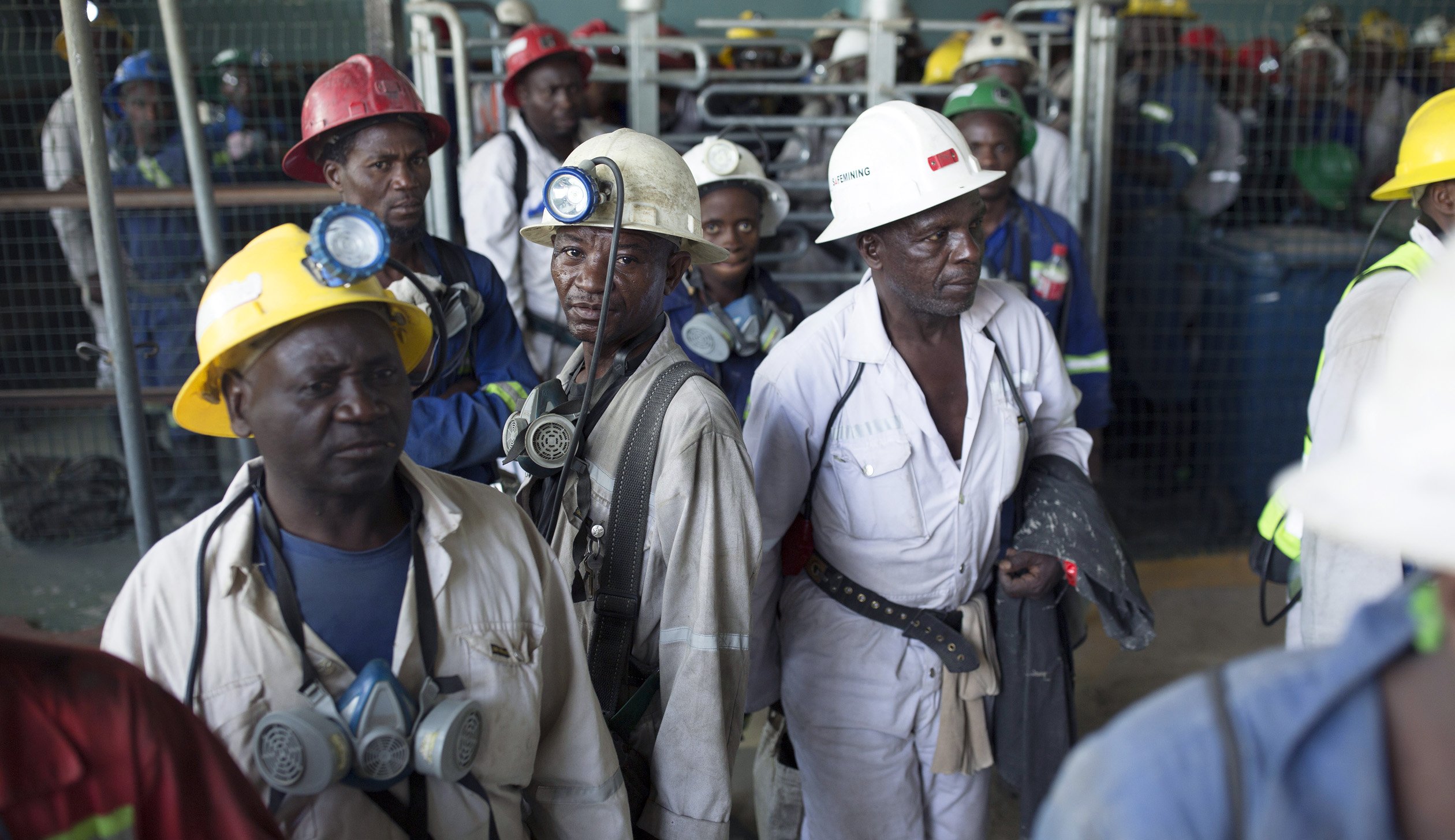
    Among the many industries in South Africa that now depend on these assessments on those organisations qualified to provide occupational health services are mining, construction, aviation, and haulage, as well as those employers involved in the preparation and production of food and beverages. The latter group is interesting in that it is the employee rather than the job that might pose a potential hazard. Their noses, mouths, and other sites must be swabbed and checked for the presence of pathogens, such as Salmonella and Staphylococcal species that could contaminate food and infect consumers.

    The need to perform these cultures and any other laboratory tests that may be appropriate requires companies engaged in dispensing occupational health services to provide the necessary facilities and to employ suitably qualified staff to perform them. These services, incidentally, may not be limited to conducting medicals and lab tests.

    Educating employers and employees about how to conduct their own safety measures can be every bit as important. This is why, FITMed24, one of South Africa’s leaders in this field, has added a number of valuable SETA-accredited training courses to its extensive portfolio of on-site and clinic-based occupational health services. Courses cover knowledge of basic first aid and fire fighting, evacuation and emergency drills, as well as HIV and TB in the workplace.

    Contact us today for more information